
As first responders, we often strive to be in control. Yet when it comes to money, many of us fail to take control of our finances. In the field, we have Operation Orders and Standard Operating Procedures for our daily activities in order to be successful. Incorporating these effective systems in our personal financial lives can provide structure and a roadmap to success.
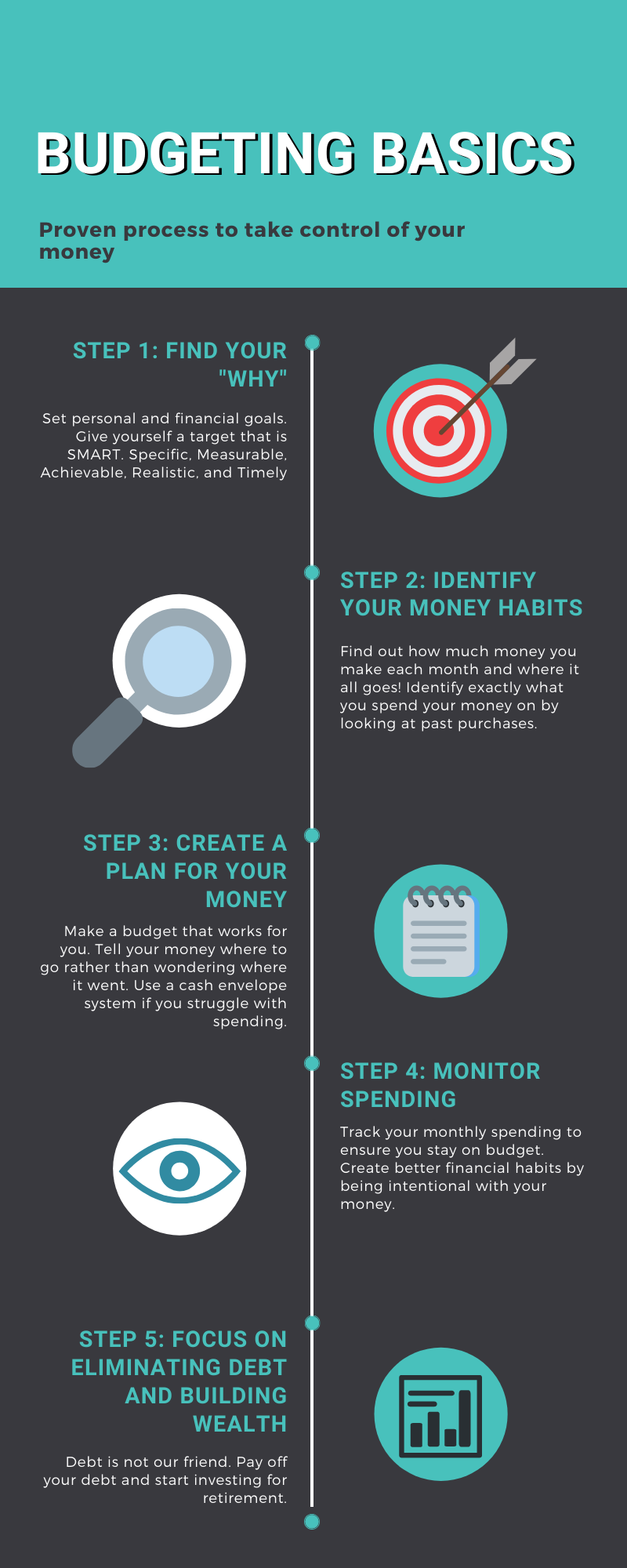
Living within a budget may sound negative or restrictive at first. However, a properly structured budget can provide a freeing feeling and give you a sense of control. Having a strategy or plan for how you will use your money, which is all a budget is, will help you gain better control of your financial wellness. Here are some steps to developing a basic budget:
- Write Down Your Income
- Write Down Your Monthly Expenses
- Cut Out Unnecessary Expenses and Build A Strategy
- Pay Off Those Debts!
- Invest to Build Your Future
Learn how to take control of your money with a properly structured budget that gives you a path to finally get out of debt and start building wealth. For a free budget template and a budgeting 101 eBook, click this link here.
For more information on how to start a budget, check out this related article, “How Do I Create A Monthly Budget?”
Sources
“Developing an Effective Care Plan for First Responders’ Mental Wellness” (Police1) This article emphasizes the role of financial planning and support as part of a comprehensive care plan for first responders. Read more here
“First Responders Who Keep Us Safe Need to Care for Themselves, Too” (American Heart Association) Discusses the importance of financial wellness as part of overall well-being for first responders. Read more here
“FirstNet Health and Wellness Program For First Responders” (FirstNet) This program includes financial wellness resources among its offerings to support first responders. Read more here
“PeerConnect | First Response Mental Health” (First Response Mental Health) Emphasizes the role of financial wellness in the overall support structure for first responders. Read more here
“Case Studies of Two Police Officer Wellness Programs” (Police1) Provides insights into successful wellness programs that include financial planning and support for first responders. Read more here