
How to Get Better Sleep in a Firehouse: Tips for Managing Your Rest in Shared Spaces
Date:Monday April 6, 2026
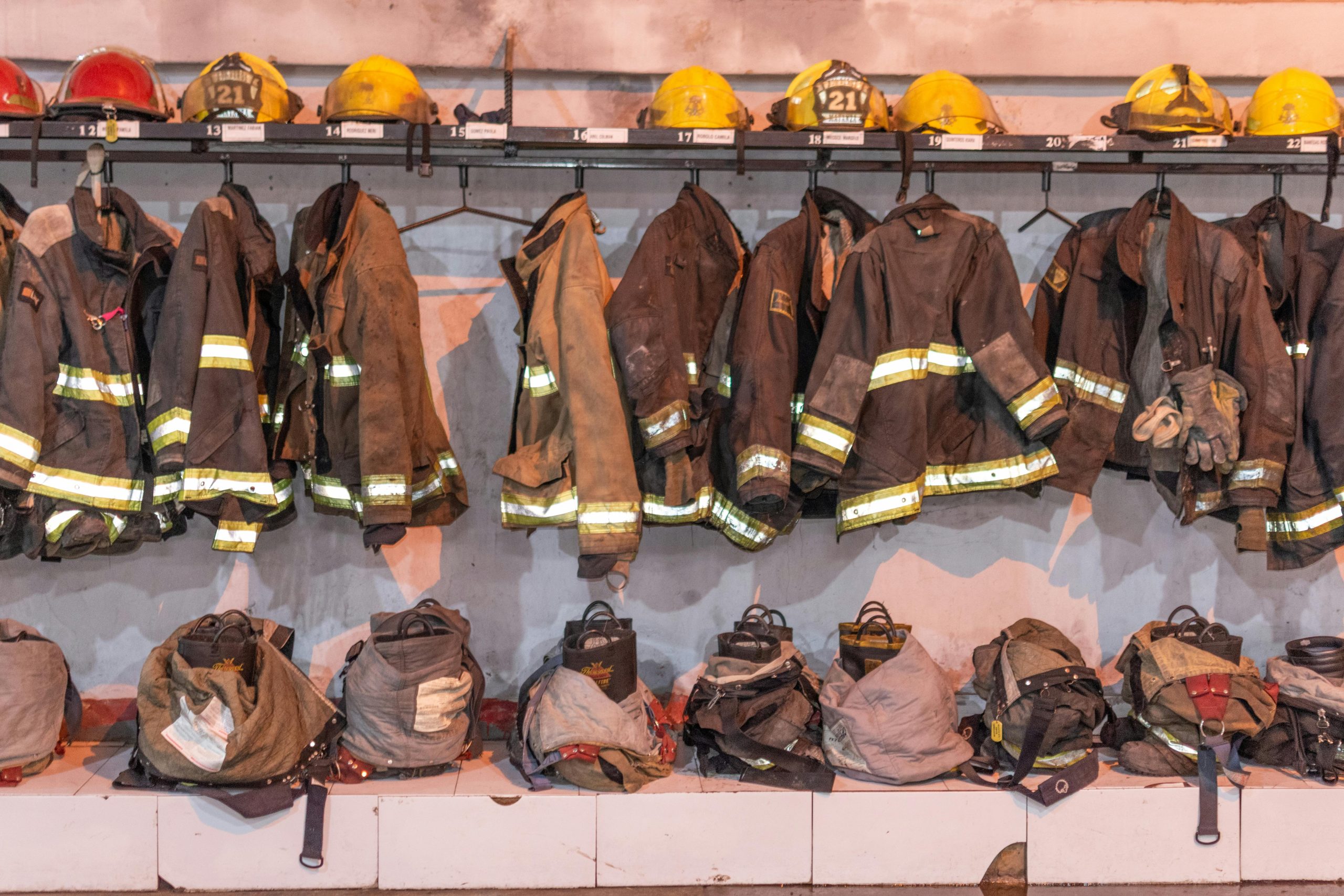
Sleep is critical for first responders, yet getting quality rest in a firehouse can be challenging. Shared bunk rooms, station noise, late-night calls, and varying schedules can disrupt sleep patterns and leave you feeling exhausted.
While perfect sleep may not always be possible on shift, there are strategies that can improve the quality of the rest you do get.
Use a Sleep Mask and Earplugs
Light and noise are two of the biggest barriers to sleep in shared spaces.
A comfortable sleep mask can block ambient light, while earplugs can reduce distractions from conversations, equipment movement, or nearby activity.
These simple tools can significantly improve your ability to fall asleep quickly.
Keep Your Bunk Area Comfortable
Small adjustments to your sleep environment can make a big difference.
Consider bringing personal items such as:
- A supportive pillow
- A comfortable blanket
- A small fan for airflow
Creating a familiar sleep setup can help your body relax more easily.
Limit Caffeine Before Rest
Caffeine is helpful during long shifts, but consuming it too close to sleep time can make it harder to fall asleep.
Try to avoid caffeine at least 4–6 hours before planned rest periods whenever possible.
Wind Down Before Bed
Even during a shift, taking a few minutes to relax before bed can help your body transition into sleep mode.
Simple strategies include:
- Deep breathing exercises
- Light stretching
- Turning off bright screens
These habits signal to your body that it’s time to rest.
Nap Strategically
Short naps can be extremely valuable during long shifts.
A 20–30 minute nap can improve alertness and reaction time without leaving you feeling groggy. Longer naps may lead to sleep inertia, which can make it harder to wake up quickly for calls.
Quality sleep is essential for both performance and safety. By improving your sleep environment and developing simple routines, you can maximize the rest you get—even in the busy environment of a firehouse.
Sources: