
A New Food Pyramid for Tough Jobs: What First Responders Need to Know About the Government’s Latest Nutrition Guidance
Date:Monday January 19, 2026
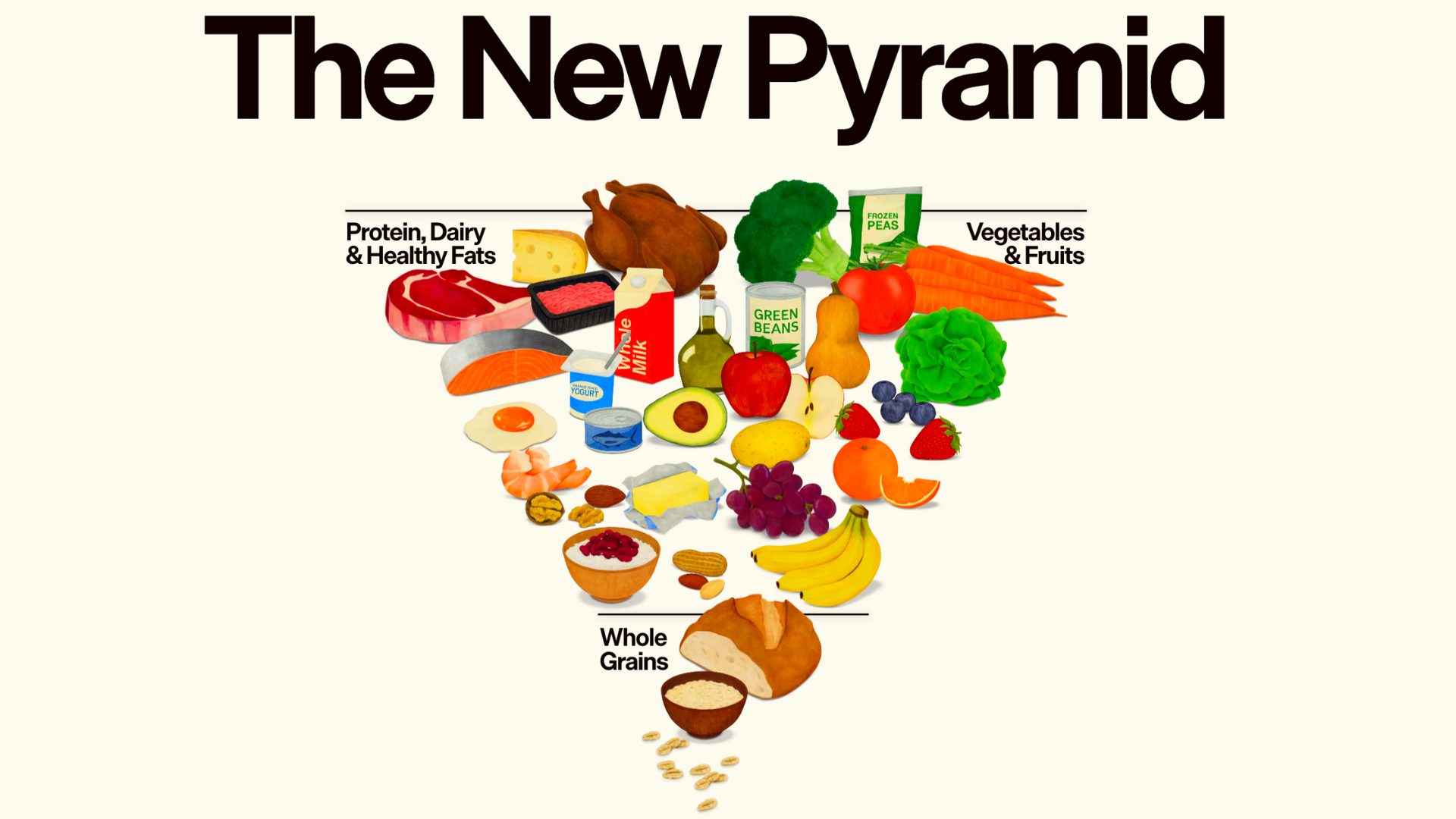
In early January 2026, the federal government released an updated set of national nutrition guidelines, the 2025–2030 Dietary Guidelines for Americans, which includes a redesigned food pyramid intended to replace the familiar MyPlate model. The update emphasizes whole foods, nutrient density, and long-term health rather than calorie counting or rigid diet rules.
While nutrition guidance is never one-size-fits-all, the revised food pyramid includes changes that may be especially relevant for people working in physically demanding, high-stress roles such as law enforcement, fire service, EMS, and emergency communications.
What’s Different in the New Food Pyramid
The updated pyramid reflects a clear shift in priorities:
- Protein-rich foods now form the foundation.
Instead of grains at the base, the new model emphasizes protein sources such as meat, poultry, seafood, eggs, dairy, legumes, and nuts. The guidelines recommend higher protein intake than in past versions, supporting muscle maintenance, recovery, and sustained energy. - Highly processed foods and added sugars are strongly discouraged.
The guidance moves beyond moderation language and clearly states that added sugars and ultra-processed foods should play little to no role in a healthy diet. Sugary drinks and refined snack foods are no longer treated as everyday options. - Fruits and vegetables play a central role.
Whole fruits and vegetables are highlighted for their vitamins, minerals, fiber, and antioxidants that support immune function and recovery. - Healthy fats are included rather than minimized.
Fats from whole food sources such as nuts, seeds, olive oil, avocados, and full-fat dairy are recognized as part of a balanced eating pattern. - Whole grains are still present, but no longer the base.
Whole grains remain part of a healthy diet, but refined grains are discouraged and carbohydrates are framed as one component rather than the foundation.
Why This Matters for First Responders
Irregular schedules, long shifts, high stress, and physical demands make nutrition a performance issue for first responders.
- Protein supports strength, recovery, and steady energy.
Adequate protein helps maintain muscle, supports recovery after demanding calls, and stabilizes blood sugar during long shifts.Practical tip: Keep portable protein options on hand such as hard-boiled eggs, Greek yogurt, cottage cheese, low-sugar jerky, tuna packets, or mixed nuts.
- Cutting back on sugary and processed foods improves focus.
Convenience foods can lead to energy crashes and inflammation, which can affect alertness and recovery.Practical tip: Swap sugary drinks for water or unsweetened beverages and replace candy or chips with fruit, yogurt, or nuts.
- Fruits and vegetables support immunity and stress recovery.
These foods provide micronutrients that help the body manage physical and mental stress.Practical tip: Choose produce that’s easy to transport, such as apples, bananas, oranges, carrot sticks, grape tomatoes, or single-serve salads.
- Healthy fats and whole food carbs support longer-lasting energy.
Fats help with satiety and nutrient absorption, while whole food carbohydrates provide usable fuel without sharp energy swings.Practical tip: After demanding shifts, aim for meals that include protein, vegetables, healthy fats, and moderate carbohydrates.
Putting the Pyramid Into Daily Practice
Small, consistent changes matter more than perfection.
- Plan meals around a protein source first, then add vegetables, fats, and carbohydrates as needed.
- Prep simple meals or snacks on days off to reduce reliance on convenience food during shifts.
- Carry a refillable water bottle and hydrate consistently throughout the day.
- Use the pyramid as a guide, not a strict rulebook, and adjust based on your workload and how you feel.
The Bottom Line
The updated food pyramid reinforces a practical message for first responders: prioritize whole, nutrient-dense foods, limit highly processed options, and eat in a way that supports both performance on shift and long-term health. With realistic planning and flexible choices, these guidelines can fit even the most demanding schedules