
Caffeine Alternatives for First Responders: How to Stay Energized Without the Crash
Date:Monday April 13, 2026
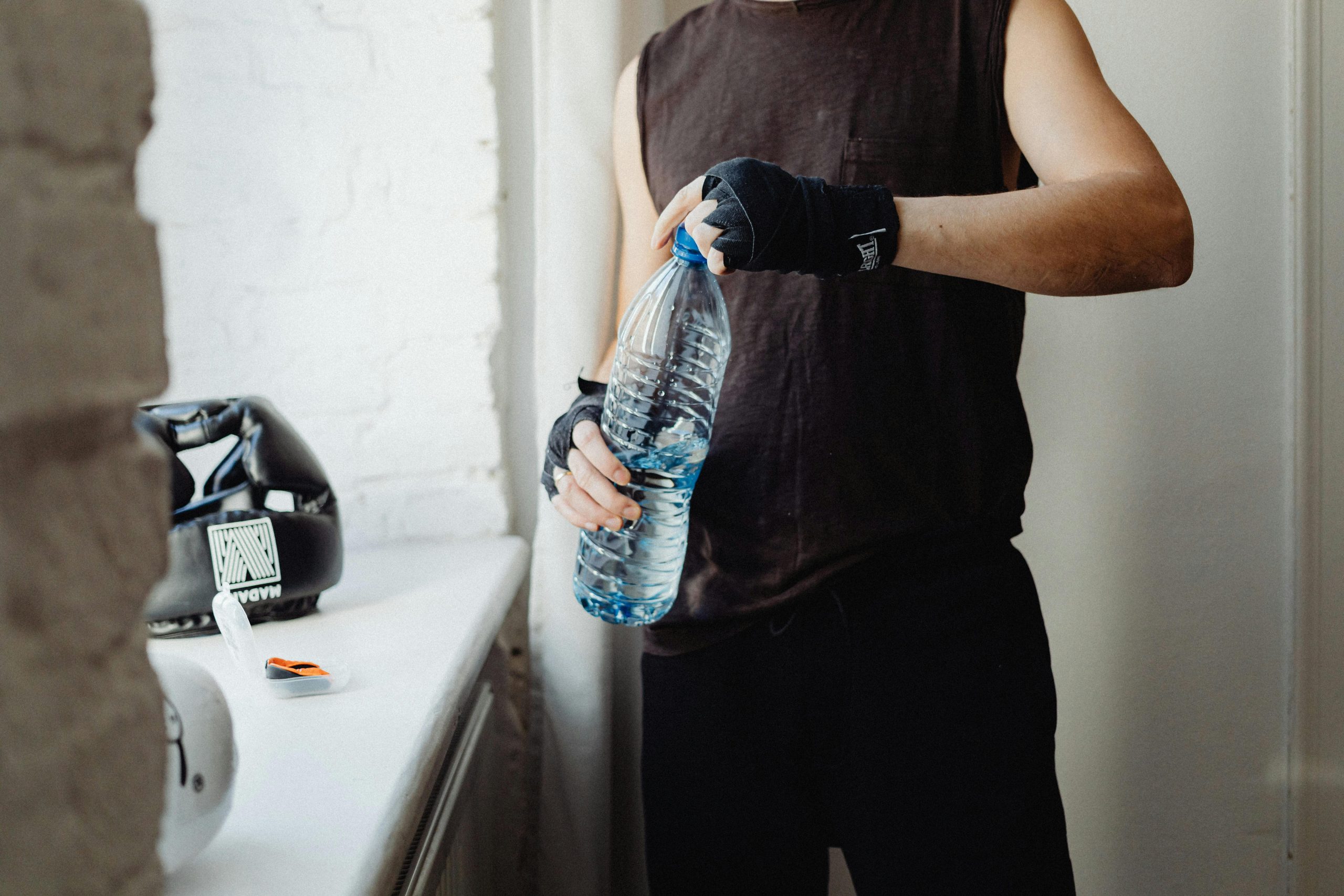
Coffee and energy drinks are staples in many firehouses and patrol cars. While caffeine can provide a temporary boost, relying too heavily on it may lead to crashes, jitters, and disrupted sleep.
Fortunately, there are healthier ways to maintain steady energy throughout a shift.
Stay Hydrated
Dehydration is a common cause of fatigue and poor concentration.
Drinking water consistently throughout your shift can improve energy levels, mental clarity, and physical performance.
Electrolyte drinks without added sugar can also help during physically demanding calls.
Try Green Tea
Green tea contains a moderate amount of caffeine along with an amino acid called L-theanine, which promotes calm focus without the sharp spikes associated with coffee.
This combination often provides a smoother, longer-lasting energy boost.
Eat Balanced Snacks
Energy levels often drop due to blood sugar fluctuations.
Snacks that combine protein, healthy fats, and complex carbohydrates can help stabilize energy. Examples include:
- Apple slices with peanut butter
- Greek yogurt and granola
- Mixed nuts and dried fruit
Move Your Body
Physical movement is a natural energy booster.
Even short bursts of activity such as stretching, walking around the station, or doing a quick set of push-ups can increase circulation and alertness.
Get Sunlight When Possible
Natural light helps regulate your body’s internal clock and can improve alertness.
Spending even a few minutes outside during daylight hours can help reset your energy levels.
Improve Sleep When Off Shift
The most effective way to reduce caffeine reliance is to improve sleep quality when you’re off duty. Prioritizing rest, maintaining a consistent sleep schedule, and creating a dark sleep environment can dramatically improve daily energy.
Caffeine can be useful in moderation, but it shouldn’t be the only strategy for staying alert. By combining hydration, nutrition, movement, and better sleep habits, first responders can maintain steady energy without the crash.
Sources: