
From Hypervigilance to Healthy: Resetting the Nervous System After the Shift
Date:Saturday February 14, 2026
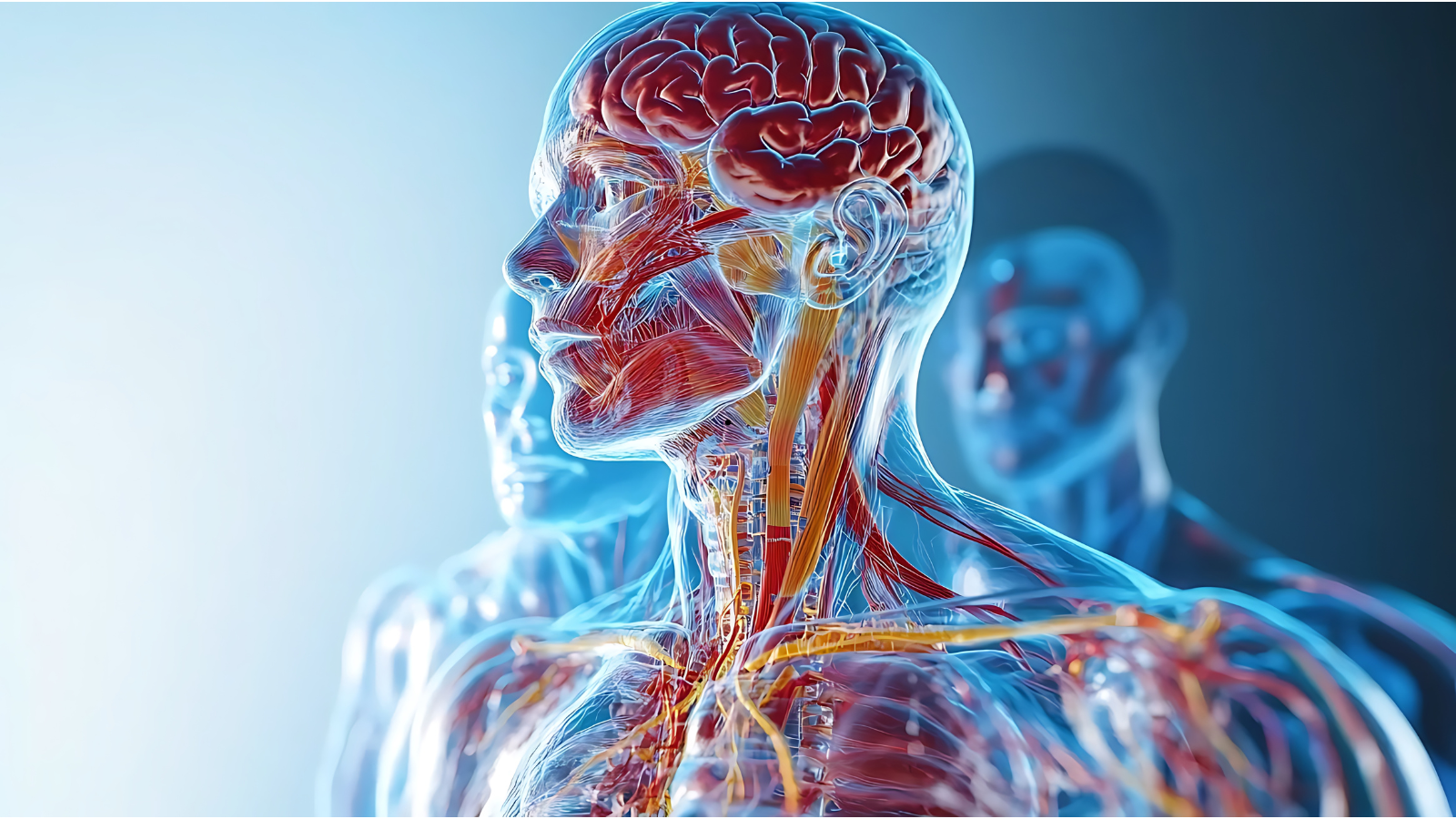
Hypervigilance keeps first responders safe. Officers track hands and positioning. Firefighters assess structural integrity and changing conditions. EMTs monitor subtle patient cues. Dispatchers listen for urgency in tone and background noise. This heightened awareness is adaptive and necessary.
The challenge arises when that alert state does not turn off after the shift ends.
During high-stress calls, the body activates the fight-or-flight response. Heart rate increases, muscles tense, and attention narrows. This response is controlled by the sympathetic branch of the autonomic nervous system. The American Psychological Association explains that repeated activation without sufficient recovery can contribute to chronic stress symptoms, anxiety, and mood changes.
Without intentional reset, the nervous system may remain in a state of activation long after the threat has passed.
Signs You May Not Be Resetting
-
Difficulty falling or staying asleep
-
Irritability over minor issues
-
Constant scanning in public settings
-
Emotional detachment at home
-
Relying on alcohol to unwind
These responses are physiological patterns, not character flaws. They reflect a nervous system that has not received a clear signal that it is safe to power down.
A Practical Post-Shift Reset Plan
1. Create a Transition Ritual
Before entering your home or station bunk room, take two to three minutes to pause. Slow your breathing and mentally acknowledge the shift is over. A consistent transition routine helps your brain differentiate work from home.
2. Practice Controlled Breathing
Box breathing is widely used in tactical and military settings. Inhale for four seconds, hold for four seconds, exhale for four seconds, and hold again for four seconds. Repeat for several minutes to reduce physiological arousal.
3. Use Physical Movement to Discharge Stress
Light exercise, stretching, or even a brief walk can help metabolize stress hormones and reduce tension.
4. Protect Sleep as a Recovery Tool
Create a dark, cool sleep environment when possible. Limit screen exposure before bed. Although alcohol may induce drowsiness, it often disrupts restorative sleep cycles.
The Goal Is Regulation, Not Elimination
Hypervigilance is part of the profession. The objective is not to remove it, but to regulate when it is active and when it stands down. Training the nervous system to transition effectively is a skill that supports long-term health, job performance, and family stability.
Public safety professionals are taught to activate quickly in a crisis. Learning how to deactivate afterward is just as important.